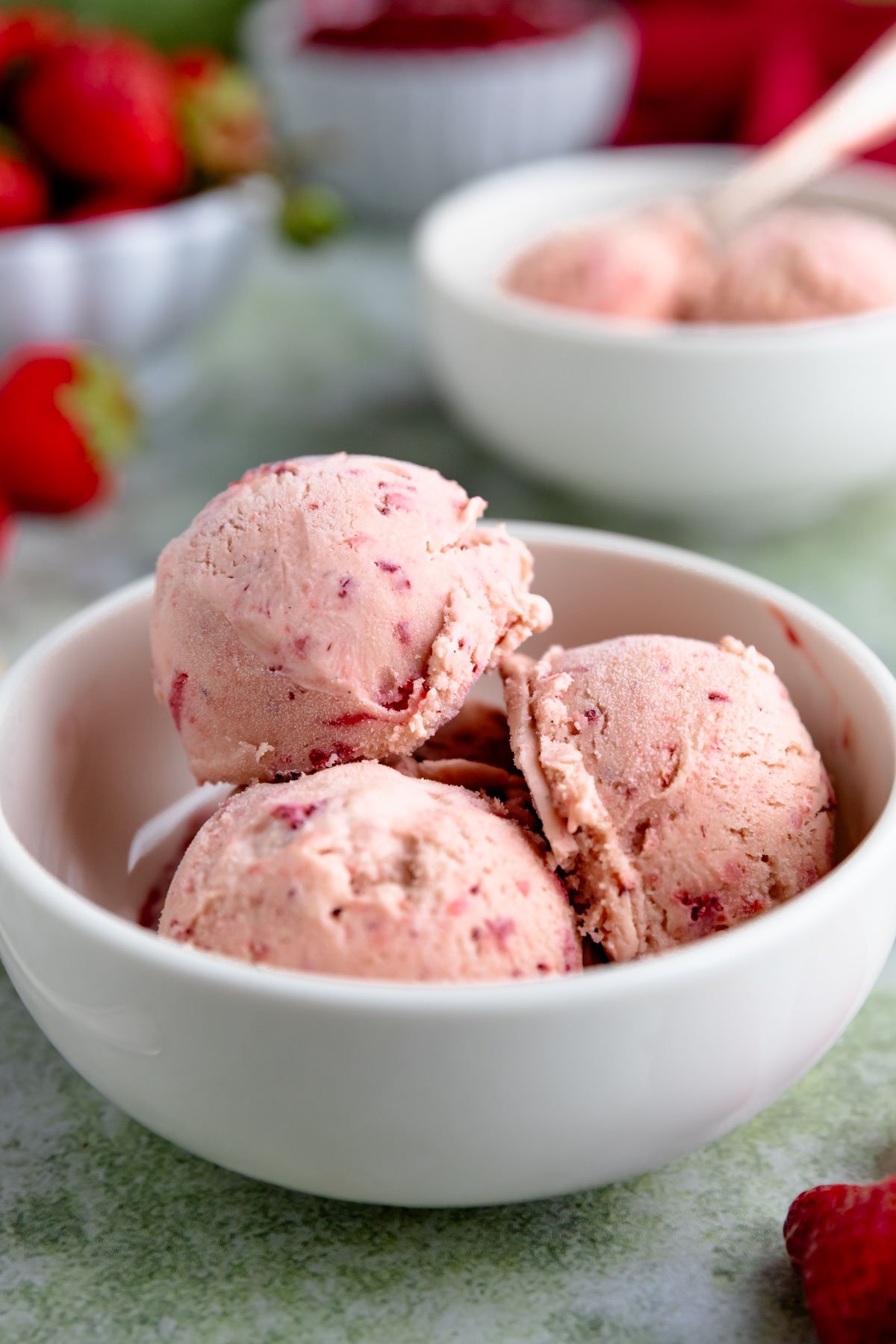
There's a universally acknowledged truth in the world of desserts: homemade ice cream, when done right, is an unparalleled joy. But when it comes to strawberry ice cream, many home cooks face a common dilemma. Instead of the vibrant, intensely fruity experience they dream of, they often end up with a watery, bland, and sometimes icy imitation. The culprits? Uncooked strawberries that dilute the base and freeze into unappealing chunks. This is where a simple yet transformative technique enters the scene, elevating humble berries into a rich, jammy masterpiece:
roasting strawberries. It's the secret weapon for unlocking an explosion of flavor that will revolutionize your
roasted strawberry ice cream, turning every scoop into a taste of summer paradise.
The Secret Ingredient: Why Roasting Strawberries Changes Everything
Imagine biting into a strawberry, then concentrating that natural sweetness and aroma tenfold. That's the magic of roasting. When fresh strawberries hit the heat of an oven, several incredible transformations occur, making them perfectly suited for ice cream:
*
Intensified Flavor Profile: Roasting caramelizes the natural sugars within the strawberries. This isn't just about sweetness; it's about depth. The subtle, bright notes of fresh strawberries evolve into a more profound, concentrated "jammy" flavor. Think of it as a flavor amplifier, making your
roasted strawberry ice cream sing with a richness that fresh berries simply can't achieve. If you add a touch of vanilla bean during roasting, that fragrance becomes deeply embedded, adding another layer of complexity.
*
Reduced Water Content, Enhanced Texture: Fresh strawberries contain a lot of water. When frozen directly into an ice cream base, this water can lead to unwelcome ice crystals and a less creamy texture. Roasting, however, gently cooks out much of this excess moisture. The juices thicken, becoming syrupy and luscious. This prevents a watery ice cream and instead creates beautiful, flavorful streaks of concentrated strawberry goodness throughout your batch.
*
Aromatic Bloom: The heat of the oven not only caramelizes sugars but also releases and enhances the natural aromatic compounds of the strawberries. The kitchen fills with a sweet, fruity scent that hints at the deliciousness to come, translating into a more fragrant final product.
In essence, skipping the roast often results in ice cream that barely whispers "strawberry." Roasting makes it shout. It’s the difference between a pale imitation and a truly unforgettable dessert.
Crafting the Perfect Jammy Berries: Tips for Roasting Success
Achieving those perfectly jammy, intensely flavored strawberries for your ice cream is straightforward, but a few key details can make all the difference.
Selecting Your Strawberries
The foundation of any great strawberry dish is, naturally, great strawberries. Opt for:
*
Sweet, Ripe Berries: This is paramount. Look for strawberries that are deep red all the way through, not just on the surface. Avoid any with white centers or a pale complexion, as these tend to be less flavorful and less sweet. In regions like Oregon, varieties like Hood, Mary's Peak, and Albion are highly prized for their intense sweetness and aroma.
*
Fresh Over Frozen: While frozen strawberries can work in a pinch, fresh ones are always superior for roasting. Frozen berries tend to release much more water during the roasting process, potentially impacting the final texture and concentration of flavor.
The Roasting Process: Simple Steps, Big Impact
Once you have your pristine berries (about 1.5 to 2 pounds for a generous batch of ice cream), the roasting process is quick and rewarding:
1.
Preparation: Gently wash and hull your strawberries. Depending on their size, you can leave smaller ones whole or halve larger ones. The goal is to ensure even roasting.
2.
Sweeten and Flavor: Toss the prepared strawberries with a modest amount of granulated sugar. This isn't just for sweetness; the sugar aids in caramelization, contributing to that desirable jammy texture. For an extra layer of gourmet flavor, scrape the seeds from a vanilla bean into the mix, or add a splash of good quality vanilla extract (add the extract towards the end of roasting to preserve its delicate notes). A squeeze of fresh lemon juice is also a fantastic addition; it brightens the overall flavor and balances the sweetness without making the berries taste overtly tart.
3.
Even Distribution: Spread the strawberries in a single layer on a baking sheet lined with parchment paper. Overcrowding will steam the berries instead of roasting them, preventing proper caramelization.
4.
Roast: Bake in a preheated oven (typically around 375-400°F or 190-200°C) until the strawberries soften, their juices bubble and thicken, and they begin to look slightly shriveled and deeply colored. This usually takes 20-30 minutes, but keep an eye on them. The aroma will be your guide!
5.
Cool Down: Once roasted to perfection, allow the strawberries and their syrupy juices to cool completely. This is a crucial step; warm berries will raise the temperature of your ice cream base, which is not ideal for churning.
Beyond the Berries: Achieving Ultimate Creaminess (Custard vs. No-Churn)
While roasted strawberries are the star, the ice cream base itself plays a vital supporting role in creating an unforgettably creamy experience. There are two primary paths to take: the rich, traditional custard method or the simpler, yet still delicious, no-churn approach. For a deeper dive into choosing the right method for you, explore our article:
Creamy Homemade Roasted Strawberry Ice Cream: Custard or No-Churn?.
The Custard Base (French-Style)
Often considered the gold standard for homemade ice cream, a French-style custard base delivers unparalleled richness and a velvety texture.
*
Egg Yolks for Emulsification: The secret lies in egg yolks, which act as a natural emulsifier, binding water and fat together to create an incredibly smooth, luxurious mouthfeel. They also contribute to the characteristic pale yellow hue and rich flavor.
*
Gentle Cooking is Key: The custard base, typically a mixture of egg yolks, sugar, and milk or cream, is cooked gently over medium-low heat. The critical temperature to watch for is 175°F (79°C). Going above this risks curdling the eggs, leading to a grainy texture. An instant-read thermometer is your best friend here.
*
Rapid Cooling: Once the custard reaches temperature, it's essential to cool it quickly. Stirring in cold heavy cream helps, and then immediately chilling the mixture over an ice bath before refrigerating is crucial. Thorough chilling ensures optimal churning.
*
The Corn Syrup Trick: A small amount of corn syrup added to the custard base can work wonders. This is a trick often employed by professional ice cream makers to reduce iciness and improve scoopability straight from the freezer. It helps prevent large ice crystals from forming, leading to a smoother, softer ice cream. For more insights on preventing icy textures, check out:
No More Icy Chunks: Secrets for Velvety Roasted Strawberry Ice Cream.
The No-Churn Base
For those who crave homemade goodness without specialized equipment, the no-churn method is a fantastic alternative, especially when paired with roasted strawberries.
*
Simplicity Itself: Typically relying on a base of sweetened condensed milk and whipped heavy cream, this method eliminates the need for an ice cream maker.
*
How Roasted Strawberries Elevate No-Churn: The concentrated, syrupy nature of roasted strawberries is particularly beneficial here. They infuse the simpler base with intense flavor and a lovely texture, preventing the "watery" problem that can plague no-churn recipes made with fresh, uncooked fruit. The thickened fruit purée mixes in beautifully, creating a rich swirl.
*
Folding, Not Stirring: The key to a light and airy no-churn ice cream is to gently fold the whipped cream into the sweetened condensed milk mixture, preserving as much air as possible.
Essential Tips for Your Best Batch of Roasted Strawberry Ice Cream
Regardless of your chosen base, these universal tips will help ensure your
roasted strawberry ice cream is nothing short of spectacular:
*
Don't Rush the Chill: Both your custard base (if using) and your roasted strawberry purée must be thoroughly cold before churning or freezing. Warm ingredients lead to icier results and a longer churning time. Plan ahead and allow several hours, or even overnight, for chilling in the refrigerator.
*
Taste and Adjust: Before freezing, taste your base and your strawberry purée. Adjust sweetness or add a pinch more vanilla if needed. Remember, flavors become slightly muted when frozen.
*
Puree or Chunks? Why Not Both!: Once your roasted strawberries are cool, you can choose to purée them completely for a smooth, homogenous ice cream, or leave some chunks for delightful textural surprises. Many prefer to purée most of them, then fold in a few spoonfuls of whole or chopped roasted berries right before the final freeze for pops of fruit.
*
Get Creative with Flavor Boosts: While vanilla is a classic pairing, consider a tiny splash of balsamic vinegar or a crack of black pepper during the roasting process. These unexpected additions can deepen the strawberry flavor in an intriguing way, adding complexity without being overpowering.
*
Proper Storage: Store your finished ice cream in an airtight container to prevent freezer burn. A layer of plastic wrap pressed directly onto the surface before sealing the container can also help. Homemade ice cream is best enjoyed within 1-2 weeks.
In conclusion, turning ordinary strawberry ice cream into an extraordinary indulgence begins with one simple step: roasting. This technique concentrates flavor, banishes iciness, and creates a rich, jammy depth that transforms every spoonful. Whether you opt for the velvety richness of a custard base or the effortless creaminess of a no-churn method, embracing roasted strawberries is your ticket to crafting a truly spectacular homemade dessert. So, next strawberry season, don't just churn; roast, and unlock the incredible, jammy flavor your taste buds deserve.