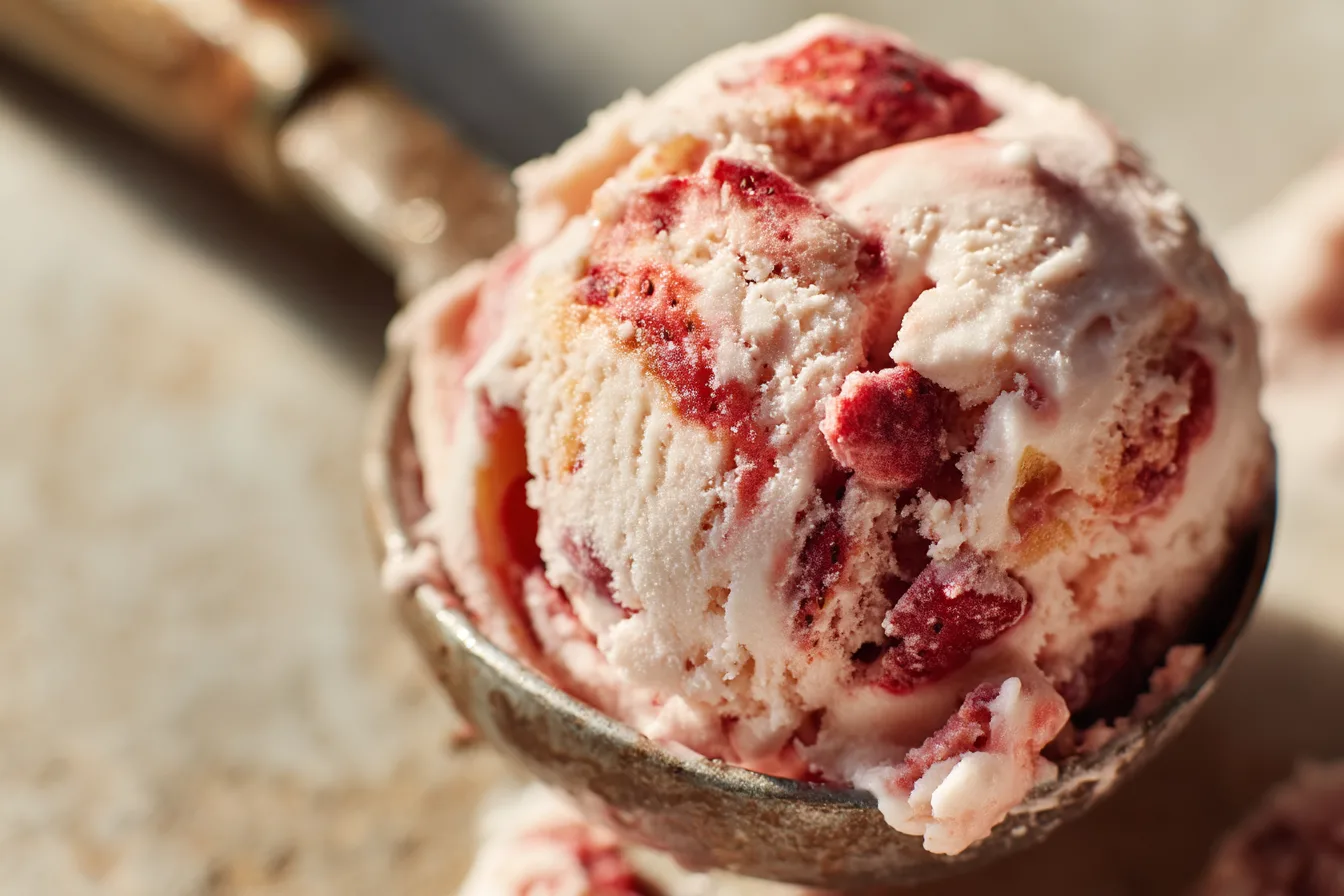
Picture this: a spoonful of homemade ice cream, perfectly soft and yielding, melting on your tongue with an explosion of rich, fruity flavor. Now imagine that flavor is intensely strawberry, not a pale imitation, and the texture is so silken and smooth, there's not an icy shard in sight. This isn't just a dream; it's the reality of truly exceptional roasted strawberry ice cream.
For too long, homemade strawberry ice cream has suffered from a common complaint: it tastes watery, the strawberry flavor is muted, and freezer burn often leads to an unpleasantly icy crunch. But what if we told you there's a simple, transformative secret that elevates this classic summer treat from good to absolutely legendary? It all starts with the humble strawberry, and a little heat.
The Secret Weapon: Why Roasting Strawberries Changes Everything
The magic behind truly phenomenal roasted strawberry ice cream lies in the roasting process itself. It's more than just cooking the fruit; it's an alchemical transformation that deepens and concentrates their natural essence. When fresh strawberries, particularly those plump, sweet beauties of peak season, are gently roasted with a touch of sugar and often a hint of vanilla, a symphony of changes occurs:
- Intensified Flavor: The heat of the oven drives out excess water, concentrating the strawberries' natural sugars and vibrant acidity. This isn't just a subtle difference; it's like turning the volume up on strawberry flavor to an eleven.
- Caramelization Magic: The sugars on the surface of the berries begin to caramelize, creating complex, toasty, and almost jammy notes that are simply not present in raw strawberries. This caramelization adds an incredible depth and warmth to the overall profile, moving beyond mere sweetness.
- Silken Texture: As the strawberries roast, their natural pectin breaks down, and their juices release and thicken into a syrupy, glossy reduction. This rich, jam-like consistency is crucial for integrating the strawberry flavor smoothly into the ice cream base, preventing the watery dilution that often plagues unroasted berry ice creams. The finished purée is not only flavorful but also structurally superior for a creamy frozen dessert.
- Aromatic Bliss: The roasting process also coaxes out and amplifies the strawberries' delicate aromatics, particularly when paired with vanilla. The kitchen fills with a fragrant, summery perfume that hints at the deliciousness to come.
Think of it this way: skipping the roast is like listening to a song on mute. Roasting turns up the volume, adds rich bass, and clarifies the melody, ensuring every scoop is packed with an unmistakably deep, almost candy-like strawberry punch. For a deeper dive into why roasting is a game-changer, check out our article on Unlock Jammy Flavor: Why Roasted Strawberries Elevate Your Ice Cream.
Crafting the Perfect Velvety Base: Custard vs. No-Churn
Once you have those glorious, jammy roasted strawberries, the next step is building an ice cream base that allows their flavor to shine while delivering an impeccably smooth, scoopable texture. There are two primary paths to achieving this velvety perfection, each with its own charm.
The Custard Connoisseur's Choice: French-Style Richness
For those who adore a truly luxurious and creamy ice cream, a French-style custard base is the gold standard. This method relies on egg yolks, which contribute an unparalleled richness and silkiness that actively works against the formation of large ice crystals. The process, while requiring a bit more attention, is deeply rewarding:
- Egg Yolk Power: A generous amount of egg yolks (often 6-8 for a standard batch) emulsifies the fat and sugar, creating a wonderfully stable and smooth base. The proteins in the yolks also help to bind water, further inhibiting iciness.
- Gentle Cooking is Key: The custard base, a mixture of milk, cream, sugar, and egg yolks, is gently cooked over medium-low heat. The critical temperature to watch for is 175°F (80°C). Exceeding this temperature risks curdling the eggs, leading to a scrambled texture rather than a smooth custard. An instant-read thermometer is your best friend here.
- Rapid Cooling: Once cooked, the custard must be cooled quickly and thoroughly. Stirring in cold heavy cream immediately after cooking helps to jumpstart this process. An ice bath is then used to bring the temperature down further before chilling in the refrigerator for several hours, or even overnight. Proper chilling is paramount for efficient churning and the best final texture.
- The Corn Syrup Advantage: A clever trick employed by many artisan ice cream makers is the inclusion of a small amount of corn syrup in the custard base. Corn syrup, an invert sugar, helps to lower the freezing point of the mixture and interferes with the formation of large ice crystals. This results in an ice cream that is significantly softer, less icy, and wonderfully easy to scoop straight from the freezer. It’s a subtle addition that makes a huge difference in texture without impacting the strawberry flavor.
Effortless Indulgence: The No-Churn Revelation
If the idea of tempering eggs and monitoring temperatures seems daunting, or if you simply don't own an ice cream maker, the no-churn method offers a fantastic alternative. This approach focuses on incorporating air and fat into a condensed milk base to achieve a surprisingly creamy result, made even better by roasted strawberries:
- Whipped Cream Base: The foundation of no-churn ice cream is typically heavy cream whipped to stiff peaks. This introduces a significant amount of air, which helps keep the final product soft and light.
- Sweetened Condensed Milk: This ingredient provides the necessary sweetness and a concentrated dairy base without the need for cooking. Its thickness contributes to the overall body and creaminess.
- Roasted Strawberries are Crucial: In no-churn ice cream, the concentrated flavor and jammy texture of roasted strawberries are even more vital. Because there's no churning to aerate and emulsify, the vibrant, thick strawberry purée ensures the final product isn't bland or watery. Those syrupy juices swirl through the base, creating beautiful streaks of intense flavor.
Whether you opt for the rich complexity of a custard or the convenience of no-churn, the roasted strawberries remain the undisputed star, ensuring your ice cream isn't just creamy but also bursting with authentic, deep berry flavor. If you're weighing your options between these two methods, our guide Creamy Homemade Roasted Strawberry Ice Cream: Custard or No-Churn? offers further insights.
Mastering the Art: Essential Tips for Unforgettable Roasted Strawberry Ice Cream
Creating extraordinary roasted strawberry ice cream is within your reach with a few key practices:
- Strawberry Selection is Paramount: Always start with the best produce you can find. Choose sweet, ripe, and fragrant strawberries. Look for berries that are uniformly red throughout; avoid those with white centers or green shoulders, as they tend to lack flavor and sweetness. Varieties like Hood, Mary's Peak, or Albion are celebrated for their intense flavor.
- Don't Rush the Roasting: Give your strawberries enough time in the oven. Roast them until their juices bubble, thicken, and become syrupy, and the berries themselves are soft and slightly caramelized. This usually takes around 20-30 minutes at a moderate temperature (e.g., 375-400°F or 190-200°C), depending on your oven and the size of your berries.
- Temperature Control for Custard: If making a French-style custard, invest in an instant-read thermometer. It's the most reliable way to ensure your custard reaches the correct thickness (175°F / 80°C) without curdling the eggs. Constant stirring with a heat-proof spatula is also essential to prevent sticking and uneven cooking.
- Chill Everything Thoroughly: This tip cannot be stressed enough. Both your custard base (or no-churn mixture) and your roasted strawberry purée must be ice-cold before churning (or folding into the no-churn base). Chilling for at least 4-6 hours, or ideally overnight, allows the fats to solidify, the flavors to meld, and the mixture to churn more efficiently, resulting in a significantly smoother, creamier texture and smaller ice crystals.
- The Role of Lemon Juice: While optional, a squeeze of fresh lemon juice with your strawberries before roasting can work wonders. It brightens the overall flavor profile, cutting through the sweetness and adding a delightful zing. Furthermore, lemon juice (citric acid) can help prevent sugar crystallization, contributing to a smoother texture.
- Avoid Over-Churning: If using an ice cream maker, churn only until the mixture resembles soft-serve ice cream. Over-churning can incorporate too much air, leading to a grainy texture.
Beyond the Basics: Elevating Your Roasted Strawberry Ice Cream Experience
Once you've mastered the art of velvety roasted strawberry ice cream, don't be afraid to experiment. Consider subtle additions to your roasted strawberries to enhance their flavor even further. A tiny splash of balsamic vinegar before roasting can add a sophisticated, deep fruitiness. A grind of black pepper offers a surprising warmth and complexity that complements the sweetness. Fresh herbs like basil or mint, added to the purée just before chilling, can introduce a refreshing counterpoint.
Serving suggestions can also elevate the experience. While perfect on its own, a scoop of this intensely flavored ice cream is incredible alongside a warm brownie, a light panna cotta, or even as a decadent topping for waffles or pancakes. A garnish of fresh mint or a few reserved roasted strawberry slices adds a beautiful touch.
Indulge in Homemade Perfection
Making your own roasted strawberry ice cream is a journey from simple ingredients to an extraordinary dessert. By embracing the transformative power of roasting, carefully managing your base (whether custard or no-churn), and following these essential tips, you can bid farewell to icy chunks and bland flavors. What you'll achieve is a sumptuously smooth, intensely flavored treat that truly captures the essence of summer. So, gather your ripe strawberries, preheat your oven, and prepare to delight your taste buds with a homemade ice cream that rivals any artisan scoop shop.
